Description
Jaipur is the second-largest city in Rajasthan, popularly referred to as the "Blue City." The several blue-colored houses all around the fort are situated near the oldest neighbourhoods in the city. Rao Jodha maintained the old royal character and warrior social practices of the city when he established the Marwar kingdom in 1459. Jodhpur is a wonderful vacation destination for all Rajasthan visitors since it mixes amazing forts with energetic markets, as well as magnificent desert...
settings and architectural icons.
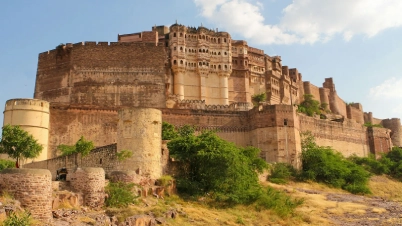
Mehrangarh Fort
Mehrangarh Fort stands as the main symbol of Jodhpur with its elevated position on a rocky hill. Rao Jodha built this fort structure in the 15th century and today it stands as one of India's largest preserved forts. A collection of grand palaces built into the complex features expansive courtyards with intricate carvings along with an excellent museum that showcases royal artifacts such as costumes and weapons together with miniature paintings. Guests at Mehrangarh Fort can behold an unforgettable sight of the city's blue architecture when they stand on its ramparts. Many people become entranced by the broad physical extent and beautiful architectural details and deep historical records of this fort.
The Blue Houses and Old City Charm
Everyone seeing Jodhpur for the first time notices the essence of the Blue City as they wander through the tight old town lanes which focus around the fort. The neighborhood of indigo-colored residences belongs to the Brahmin caste although this painting practice spread across the entire metropolis. The desert landscape finds its perfect complement in these blue houses while their pigmentation serves an additional purpose to keep buildings cooler. Walking through the alleys allows visitors to observe the ordinary life of local residents and see their traditional houses as well as secret temples.
Umaid Bhawan Palace
The Umaid Bhawan Palace stands among the last major palace constructions in India with its completion in 1943 while parts are still owned by the Jodhpur royal family. The section of this palace belongs to Taj Group which operates it as a luxury hotel service. Additional rooms serve as a museum dedicated to royal memorabilia including vintage clocks and photographs. Belonging to the era of Art Deco and Indo-Saracenic design the yellow sandstone palace rests within expansive gardens. A tour to these attractions shows visitors the features of contemporary Indian royalty living.
Jaswant Thada
Visitors can find Jaswant Thada between Mehrangarh Fort as an elegant white marble memorial dedicated to Maharaja Jaswant Singh II. This Marwar monument carries the common nickname Taj Mahal of Marwar because of both its elegant mesh work and tranquil garden spaces. The location allows visitors to enjoy a relaxing environment while engaging in photography since it stands in front of mountains and looks over a small lake. Marble structures at this destination shine under the sun to create a radiant light effect that becomes particularly strong in early morning hours or late afternoons.
Mandore Gardens
Before Jodhpur became the seat of power Mandore functioned as the capital of Marwar. The Mandore Gardens showcase their cenotaphs as well as their temples together with their Hall of Heroes where colorful Rajput warrior statues stand. Excited history enthusiasts and photographers find the garden ruins fascinating because of their location. Both Hindu and Buddhist architectural elements exist in this location while providing visitors a serene retreat amidst urban activity.
Clock Tower and Sardar Market
The Clock Tower serves as a colonial-age gateway leading to Sardar Market which operates as the principal local bazaar in Rajasthan. The market provides an excellent shopping experience for customers who seek local spices along with textiles and Rajasthani handmade products and silver jewelry and colorful traditional shoes named "mojris". Jodhpur's narrow roadways connect shoppers and shoppers at the heart of its commercial and cultural activities.
Rao Jodha Desert Rock Park stands as a regenerated ecological treasure of the area
The Rao Jodha Desert Rock Park found its home by the Mehrangarh Fort base after it became a project aimed to restore the local ecology. The 70-hectare space features natural desert plants as well as distinctive volcanic rock features. The venue provides visitors a variety of educational information alongside clear path routes and plenty of opportunity for bird observation. Sustainable tourism combined with ecological education prevail at this site which offers visitors opportunities to see natural beauty along with educational programs.
Toorji Ka Jhalra
The 18th-century stepwell Toorji Ka Jhalra showcases elaborate lacework as an exemplary showcase of former Jodhpurian water management practices. After its restoration for public enjoyment the historic site attracts residents and travelers who visit as tourists. The combination of symmetrical design steps and red sandstone structure with nearby cafes forms an active aura around this site that preserves its historical aspects. The site attracts artists together with photographers and tourists who want an alternative exploration experience.
Marwari Cuisine
Any person seeking authentic Marwari cuisine should travel to Jodhpur because it is an ideal destination for food exploration. The regional cuisine of Jodhpur includes the four dishes Dal Baati Churma, Gatte ki Sabzi, Ker Sangri and Laal Maas. Residents love the popular street foods consisting of Mirchi Bada together with Pyaaz Kachori and Mawa Kachori. People visiting Jodhpur have several dining options including local restaurants serving traditional thali food and rooftop cafes near the fort and Marwari-themed eateries.
Cultural Events and Festivals
Multiple cultural festivals take place in Jodhpur to celebrate the local music traditions together with its traditional arts. The Rajasthan International Folk Festival (RIFF) stages at Mehrangarh Fort draws musicians from various nations for combining cultural traditions with musical performances. During the Marwar Festival the focus is on Rajasthani music performances and dance along with camel exhibitions. Cultural festivals in Jodhpur combine traditional cultural elements with photographic opportunities for visitors who choose cultural activities and photo enthusiasts.
Adventure Activities and Desert Excursions
The geographical focus of Jodhpur mainly rests on its historical sites yet the destination provides active recreational opportunities. The fort of Mehrangarh welcomes those who want to do zip-lining and visitors can tour the desert through jeep rides or enjoy camel experiences in local countryside villages. Visitors can experience the rustic desert living and historical sites of Osian through their 65 km distance from Jodhpur by participating in cultural events during camping experiences.
Jodhpur’s Architecture and Photographic Appeal
All photographers will fall in love with the photography possibilities at Jodhpur between Mehrangarh Fort's imposing walls and the balanced steps of Toorji Ka Jhalra and Umaid Bhawan Palace's golden charm. Jodhpur stands out to photographers due to its combination of natural light and vibrant colors and historical architectural elements which appeal to both professionals and hobbyists. Roof views from the old city area present stunning photographic opportunities especially when witnessed during sunrise and sunset.
Accessibility and Local Transport
The city of Jodhpur maintains connections with most major Indian metropolitan areas through train services as well as airports and land transportation routes. The Jodhpur Airport runs daily flights throughout Delhi, Mumbai and Jaipur. Passengers can access the entire Rajasthan region and additional national areas from the central railway station in the city. Visitors to the city have the option to use metro services and taxis together with auto rickshaws, as well as walking through the narrow streets while biking becomes practical in the fort vicinity.
Conclusion
Jodhpur, with its royal lineage, architectural splendour, and cultural richness, offers a complete Rajasthani experience. Jodhpur presents itself through a harmonious blend of royal architectural marvels and contemporary marketplace activities alongside restful stepwell sanctuaries. The city of Jodhpur provides an unlimited range of activities for visitors who have different interests in history, food, adventure and culture. Every visitor leaves Jodhpur carrying unforgettable memories and gaining deeper knowledge of the desert spirit that defines Rajasthan because of its friendly residents and vivid cultural traditions.
Best Time to Visit
Indian Jodhpur prouds itself through its historical royal magnificence embedded within the edge of Thar Desert alongside its Blue City architectural beauty. The travelers who enter Jodhpu...
Summer Season
Temperature Range: 30°C to 45°C Peak Heat: May and June Jodhpur experiences heatwaves during...
Monsoon Season
Temperature Range: 25°C to 35°C Best Month: August Jodhpur exists in a desert territory whic...
Winter Season
Temperature Range: 10°C to 27°C Best Months: November to February During winter Jodhpur welc...
How to Reach
Blue City, the pinnacle of Jodhpur and situated in the centre of Rajasthan, is a symphony of culture, colour, and regal legacy. Regarded as a dream destination for historians, photographe...
By Air
Jodhpur Airport (JDH): Fastest Entry Point to the Blue City
Jodhpur...
By Train
By Bus:
Rajasthan State Road Transport Corporation (RSRTC) an...
By Road
Jodhpur Junction (JU): Well-Connected and Centrally Located
Jodhpur...
Explore Tour Packages Jodhpur
Ecotourism
(105 Reviews)
11 Days Rajasthan Tour Package
Jaipur – Bikaner – Jaisalmer –...
Starts From $ On Request
Ecotourism
(105 Reviews)
5 Days Rajasthan Tour
Udaipur – Kumbhalgarh – Chitto...