Nestled in the less well-known highlands of West Bengal, Kalimpong is a small hill town with the perfect mix of Buddhist culture, colonial past, serene Himalayan surrounds, and wide views. Rising around 1,250 metres, it has long been overlooked by its more well-known neighbours, Gangtok and Darjeeling. Still, Kalimpong presents to its guests tranquillity, beauty, and a particularly profound experience.
Best Places to Visit in Kalimpong
This blog will lead you through Kalimpong's must-see sites, each of which adds a different hue to the town's palette.
Deolo Hill:
Deolo Hill, the highest point in Kalimpong, is among the most often visited tourist spots in the area. Rising around 1,700 metres, it offers broad views of the Relli Valley, the Teesta River Valley, and, on clear days, even some of Sikkim and the snow-capped eastern Himalayan mountains.
Why Come:
Here the morning is most breathtaking. Seeing the variations in the hue of the Himalayan sky is a somewhat reflective process.
The well-maintained park at the peak makes it ideal for picnics.
Adventure seekers might then go paragliding from here.
Travel Tip: Go early in the morning to get the best views and fewer people. Photographers would also find the site perfect.
Zang Dhok Palri Phodang Monastery
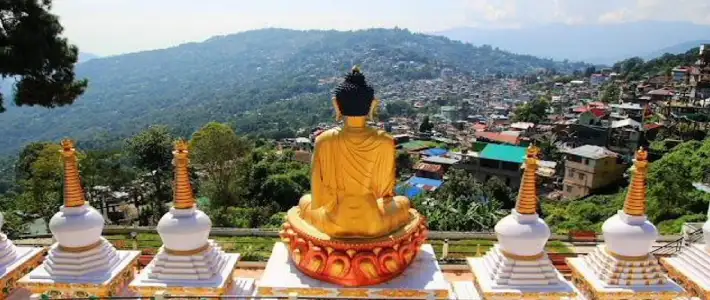
Called Durpin Temple locally, this peaceful Buddhist temple is on Durpin Hill. Built in 1972, it features precious books the Dalai Lama brought with him after escaping Tibet.
Why do you go?
Its calm atmosphere is created by its vivid murals and classic Tibetan architecture.
One of the amazing views from the monastery terrace is the Teesta River winding across the valley.
For those drawn to Buddhist thought, the library housed therein is a gold mine.
Fun Fact: Regular visits from lamas and monks from all throughout India and Bhutan make this monastery a vibrant spiritual centre.
Kalimpong Cactus Nursery
Among the well-known floriculture in the city, the Kalimpong Cactus Nursery is unique. It boasts one of Asia's largest cactus collections.
Why Visit:
One visits to see the magnificent arrangement of exotic and unusual cactus and succulent plants in greenhouses.
Perfect place to buy plants or just enjoy the amazing floral arrangement.
The lovely surroundings accentuates the experience.
Ideal for: gardeners, plant enthusiasts, and nature photographers.
Morgan House
Morgan House, a historic mansion turned into a hotel, is under control of the West Bengal Tourism Department. Built in the 1930s, it has rich local tradition and colonial appeal.
Why Visit:
Visiting is motivated by the outstanding example of British colonial architecture.
Residents and visitors both say it is haunted and that strange events have occurred there.
Though you are not staying there, seeing the grounds helps one to experience the bygone British era.
Pro Tip: If you have the bravery, spend the evening in the hotel and nighttime hallway walk!
Dr. Graham’s Houses
Reverend Dr. John Anderson Graham founded this institution in 1900 with the intention of helping underprivileged Anglo-Indian children with their education. These days, it is a historical monument as well as a thriving coeducational university.
Why Visit:
The campus has colonial-style structures and immaculate planning featuring well-kept gardens.
A small museum exists offering information about Dr. Graham's history and ideas.
The school chapel is really calm and beautiful.
Note: Visitors are welcome outside of the school day. Acknowledge it as a working educational institution.
Tharpa Choling Monastery
Founded in 1912 and belonging to the Gelugpa school of Tibetan Buddhism, Tharpa Choling Monastery is one of the three oldest monasteries in Kalimpong.
Reasons to Visit:
The high location offers amazing views and a serene environment for meditation.
The architectural and religious artwork are fascinating.
This one has a much more contemplative and reflective vibe than the more popular monasteries.
Ideal Time: Early morning is the ideal tour and interaction time with the resident monks.
Lepcha Museum
If you like to find more about the way of life in the area, you have to visit the Lepcha Museum. It celebrates Eastern Himalayan native Lepcha people.
Why Visit:
See handicrafts, religious books, musical instruments, and traditional clothing.
Learn more about the spiritual practices and indigenous people of the region.
Though small, the museum has a lot of items.
Tip: Usually eager to share stories, the curator would be happy to be contacted or accompanied.
Hanuman Tok
Near Deolo Hill is a Hindu temple to Lord Hanuman called Hanuman Tok. Rising over thirty feet, the massive Hanuman monument points out over the valley.
Why Go:
This popular spiritual and scenic spot is renowned for its calm environment and wide views,
The temple grounds are very clean and kept.
It's a quick yet remarkable stop with the cool breeze and background chanting.
Teesta River Rafting
If you want some excitement, go white-water rafting along the banks of the Teesta River.
Why Go:
Even beginners would find this venue appealing given the mild speed.
Down the river, you travel past towns, forests, and the Himalayan foothills.
It's a great approach to give Kalimpong's calm environment a little adventure.
Safety Tip: Always go with a competent guide; wear all safety gear.
Shopping in Kalimpong Market
Every trip calls for localised shopping. At Kalimpong's main market and Haat Bazaar (wednesday and Saturday), local activity is explosive.
Why do you visit:
Buy Tibetan relics, handmade paper, woollen products, and regional crafts.
Don’t discount the handcrafted cheese and pickles.
The native momo and thukpa—pure delight—are found at roadside eateries.
Best Finds: Local organic tea and artisan Lepcha people products are best finds.
Conclusion
Kalimpong's appeal stems from even lacking the gloss of Gangtok and the tourist traffic of Darjeeling. This is a place to relax, inhale deeply, and immerse yourself among historical, cultural, and picturesque surroundings. Whether you're having tea in a colonial home, sitting peacefully in a monastery, or seeing the Himalayas from Deolo Hill, you leave Kalimpong content.