
Description
The Golden Triangle is one of the most popular travel circuits in India, which connects the culturally diverse cities of Delhi, Agra, and Jaipur. This road takes the shape of a triangle on the map and can provide travellers with an intensive experience of architecture, history, and traditions of the living. Instead of being a domestic tourism destination or a country or a destination in Southeast Asia, it is a domestic tourism route that has become known in terms of...
displaying the Indian heritage within a reasonable journey time. The visitors are greeted with Mughal monuments, Rajput palaces, colorful markets, and food diversity, within interconnected urban settings. Numerous travellers depend on customized travel plans like Trip Plan India to manoeuvre between the timetable, transport arrangement, and sightseeing priorities.
The circuit is both familiar and a discovery to the Indian visitors. Festivals, craft markets, and architectural exploration come in as the main ways of cultural immersion, whereas local food traditions emphasize regional diversity. Though beaches and nightlife in islands are not a part of this itinerary, the travellers have the opportunity to experience vibrant evening markets, lighted monuments, and hospitality eating places that build interesting environments. It is also an attractive destination due to its accessibility and well-developed tourism infrastructure, which makes it a strong competitor among other tourist destinations that travellers would choose to experience India as a culture-laden country.
What is the Golden Triangle Tour?
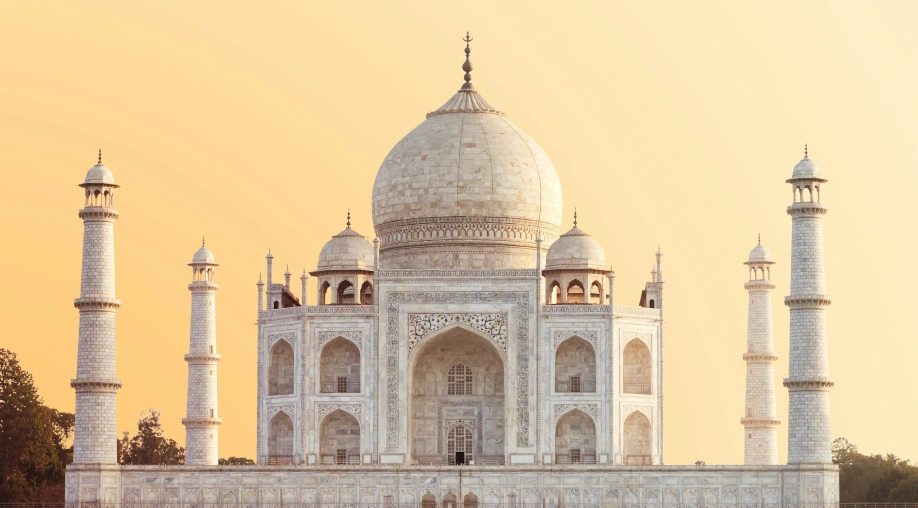
The best travel route in India connecting Delhi, Agra, and Jaipur in a triangular form is the Golden Triangle Tour. The cities are located approximately 250-300 kilometers away from each other, forming a good connection on the map of India. The Golden Triangle Itinerary will capture and draw travellers with its stunning Mughal and Rajput style of architecture, from the Taj Mahal in Agra to the Amber Fort in Jaipur. Also, this route is custom-friendly, so one can add any of their favorite destination as an excursion from it. Just like the Golden Triangle Tour with Ranthambore adds the thrill of a tiger safari on a journey, travellers can add their preferred destination to a travel route. This addition will uplift the overall travel experience in this diversely beautiful country.
Why Visit the Golden Triangle
The Golden Triangle attracts travellers because it has been able to concentrate historical and architectural treasures that are the products of centuries of cultural development. Although there are no coastal views as such, the city life makes up the circuit, with lit-up landmark structures, cultural performances, and bustling market areas that continue to light up the night. The artistic skill and symbolic narration are traced in the stonework and design of heritage temples, forts, and palaces.
The path is also considered to be comparatively cheap in relation to international travel, and it is not overly exploitative, as well as being a valuable exploration without a complex logistical process. Infrastructure and services provided by the hospitality industry provide a secure navigation, a place of accommodation, and tourism walks through the cities in question. The cordial local interaction, broader transport network, and variety of food also enrich the traveling satisfaction. All these features form a balanced travel experience that is educative, entertaining, and convenient enough to fit in a single unforgettable schedule.
Best Time to Plan the Golden Triangle Journey
The ideal time to plan a Golden Triangle India Tour is from October to March, when the temperature is between 22 and 32 degrees Celsius. Due to the extremely hot temperatures of over 45 degrees, traveling around these cities from March to June can be quite difficult. The trip can be booked in advance for January to March, as freezing spells are possible in Delhi and other destinations in India. It is ultimate fun to see the festivals in October, November, and March, so you can plan your India trip during the time of festivity.
Places to Visit in the Golden Triangle
The triangle journey of India collectively takes you to Delhi – the capital city of India, Agra – the Taj City, and Jaipur – the capital of Rajasthan. Each one of these destinations is adorned with many architectural attractions that one must not miss. Below we are enlisting some of the best tourist places to visit on the Golden Triangle –
In Delhi
- Qutub Minar
- Humayun’s Tomb
- Chandni Chowk
- Jama Masjid
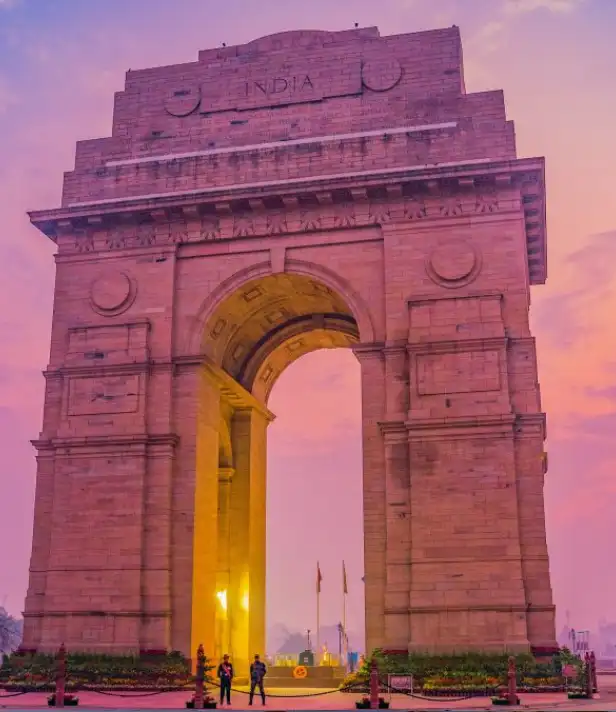
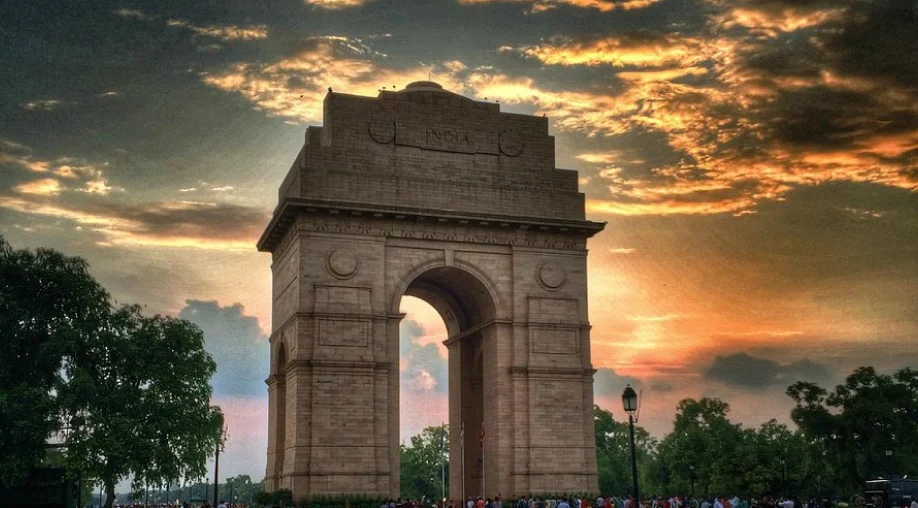
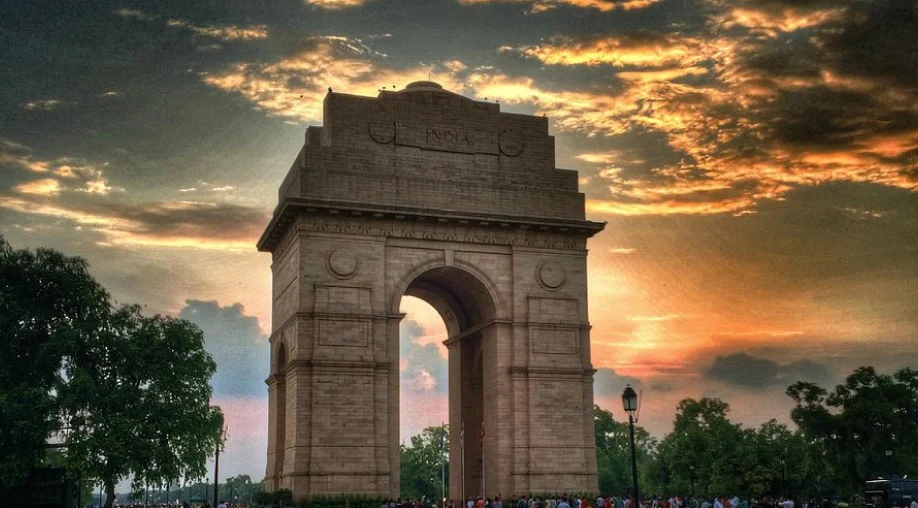
- India Gate
- Gurudwara Bangla Sahib
- Red Fort
- Lotus Temple
In Agra
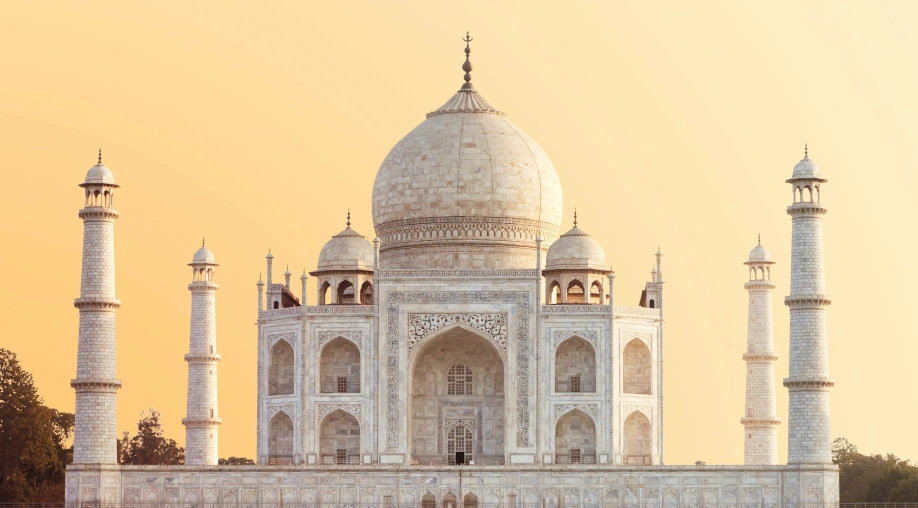
- The Taj Mahal
- Agra Fort
- Tomb of Itmad-ud-Daulah
- Mehtab Bagh
In Jaipur
- Amber Fort & Palace
- Nahargarh Fort
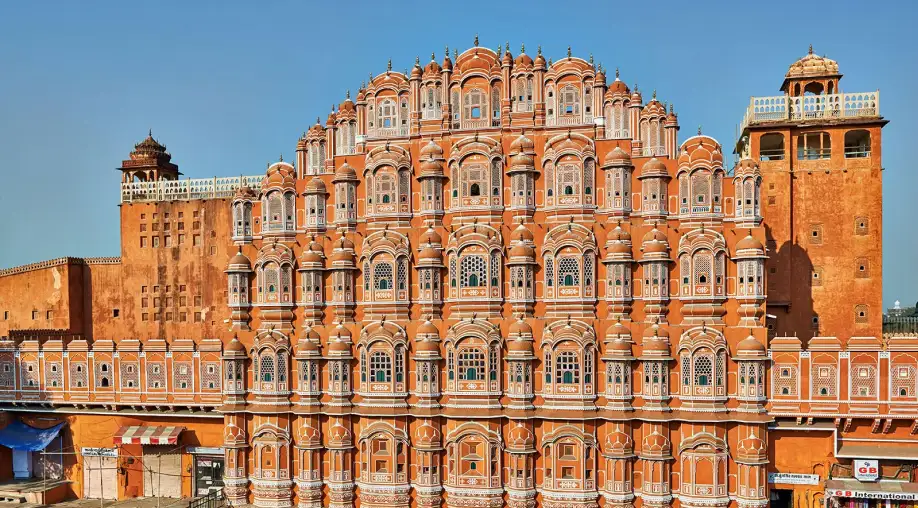
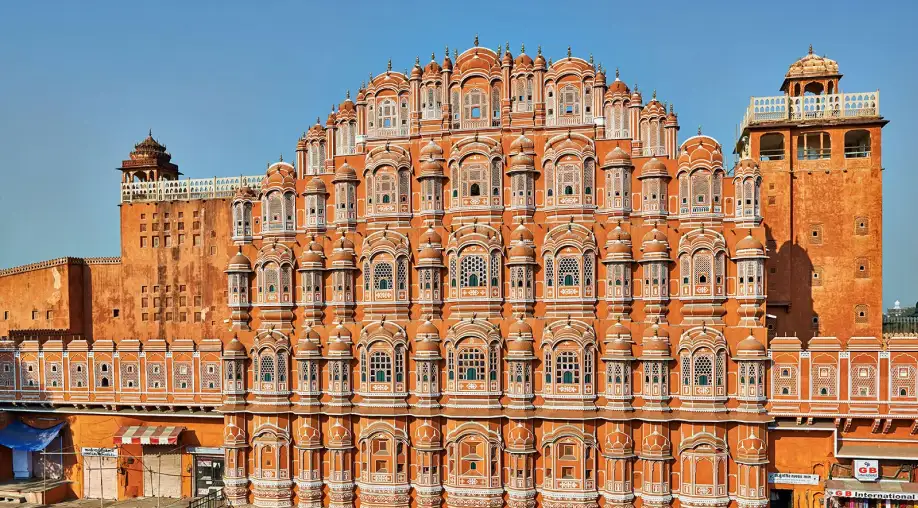
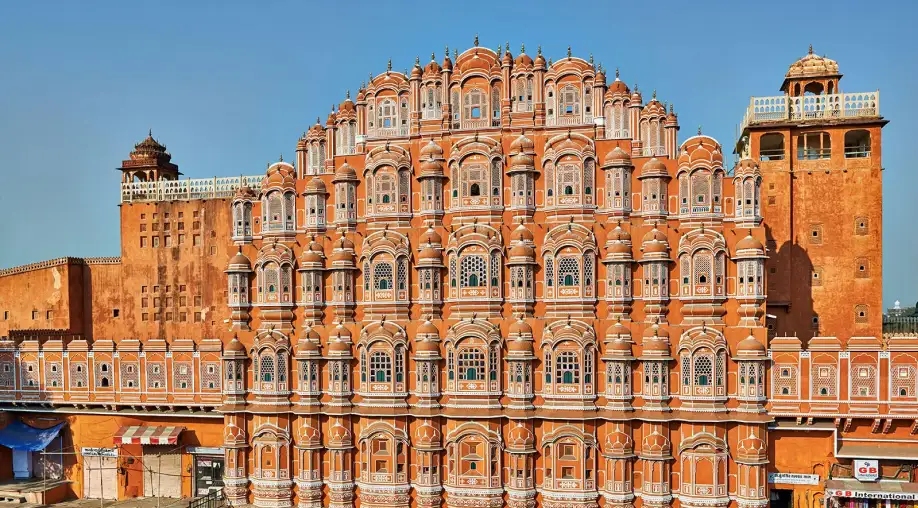
- Hawa Mahal
- City Palace
- Jantar Mantar
- Albert Hall Museum
Best Time to Visit
One of the most iconic travel routes, the Golden Triangle Tour Package, comprises Delhi, Agra, and Jaipur. Each city provides a unique experience with its fusion of culture, heritage, historical fa...
Summer Season
March to May (Summer) — 28°C–45°C (82°F–113°F)
Monsoon Season
June to October (Monsoon) — 25°C–35°C (77°F–95°F)
Winter Season
November to February (Winter) — 5°C–22°C (41°F–72°F)
How to Reach
India's renowned Golden Triangle, which includes Delhi, Agra, and Jaipur, is easily accessible by road, rail, and air. The majority of tourists start their journey from Delhi, which has e...
By Air
The quickest and most practical way to get to the Golden Triangle is by air because all...
By Train
Frequent trains like the Gatimaan Express and Shatabdi Express provide quick and comfor...
By Road
The Golden Triangle, which includes Delhi, Agra, and Jaipur, is well-connected by effic...
Trip Planner
It can be rough to plan a trip throughout India, but Trip Plan India makes it easy, stress-free, and seamless. Our knowledgeable trip planners create personalized itineraries based on your travel preferences, spending limit, and length of stay, guaranteeing a hassle-free, optimal experience. We take care of everything from lodging and transportation to sightseeing and local experiences, whether you're visiting the picturesque hill stations, the famous Golden Triangle, or the regal charm of Rajasthan.
Trip Plan India guarantees dependable service, skilled drivers,...
Travel Map
India's most famous travel route, which links Delhi, Agra, and Jaipur, is highlighted on the Golden Triangle Tourist Map. This 720–800 km triangle route features the ideal fusion of architecture, culture, and history. Major landmarks like the Taj Mahal, Amber Fort, and India Gate are usually marked on the map, along with the roads and routes that connect the three cities. This well-liked travel route, it makes it simple for visitors to plan their trip, comprehend distances, and effectively visit important tourist destinations.
The knowledge of the spatial l...
Explore Tour Packages Golden Triangle
The Golden Triangle Indias most famous route. It connects Delhi, the historic capital, Jaipur, the Pink City, and Agra, home of the Taj Mahal. This route gets its name from the fact that the cities on the map make a triangle that is almost equal on all sides. It gives you a concentrated dose of I...

Ecotourism
(105 Reviews)
Golden Triangle Tour 6 Days
Delhi – Agra – Jaipur
Starts From $ On Request
Ecotourism
(105 Reviews)
Golden Triangle Tour with Ranthambore
Delhi – Agra – Fatehpur Sikri...
Starts From $ On Request
Ecotourism
(105 Reviews)
Golden Triangle Tour 3 Days
Delhi – Agra – Jaipur – Delhi
Starts From $ On Request
Ecotourism
(105 Reviews)
Golden Triangle Tour 7 Days
Delhi – Agra – Jaipur – Delhi
Starts From $ On Request
Ecotourism
(105 Reviews)
Luxury Golden Triangle Tour India
Delhi – Agra – Jaipur – Delhi
Starts From $ On Request
Ecotourism
(105 Reviews)
Golden Triangle Tour With Amritsar
Delhi – Agra – Jaipur – Delhi...
Starts From $ On Request
Ecotourism
(105 Reviews)
Golden Triangle Tour 4 Days
Delhi – Agra – Jaipur – Delhi
Starts From $ On Request
Ecotourism
(105 Reviews)
Golden Triangle Tour With Varanasi
Delhi – Jaipur – Agra – Varana...
Starts From $ On Request
Ecotourism
(105 Reviews)
Golden Triangle Tour 8 Days
Delhi – Agra – Jaipur – Delhi
Starts From $ On Request
Ecotourism
(105 Reviews)
Golden Triangle With Spiritual Himalayan
Delhi – Rishikesh – Agra- Jaip...
Starts From $ On Request
Frequently Asked
Answers to Common Queries About Golden Triangle Tourism
It covers three historic Indian cities connected in a triangular travel route, offering diverse cultural and architectural experiences.
Yes, the structured route and strong tourism facilities make it approachable for beginners.
Many travellers allocate five to seven days to experience major highlights comfortably.
Yes, organised tours operate throughout the circuit and simplify navigation.
Flexible accommodation, transport, and activity options allow extensive financial adaptability.
Yes, each city presents distinctive culinary traditions worth exploring.
Markets and craft centres provide numerous options for souvenirs and artisan goods.
Architectural landmarks and cultural scenes offer abundant visual appeal.
Facilities and attractions cater to visitors of all age groups.
Preparing schedules beforehand helps secure arrangements and maximise experiences.
Intercity connections through rail and road networks remain dependable and frequent.
Yes, monuments and traditions provide strong educational insights.
With reasonable precautions, independent exploration remains comfortable.
Markets, dining venues, and illuminated sites offer engaging nightlife alternatives.
Yes, balanced itineraries allow travellers to combine discovery with restful intervals.
