One of the dream destinations for travelers across the globe, India is a land of varied cultures, beautiful landscapes and full of history. India caters to all types regardless of how adventurous you want to be and explore the Himalayas, ancient temples, festivals or sunbathing on beaches. Nevertheless, planning a trip to this huge and varied country can be quite overwhelming.
How To Plan A Trip To India?
The following is a step by step guide to planning a trip to India to help you get the best out of your trip:_
Choose the Best Time to Visit India
Given that India has a varied climate, the best time to visit is determined by which part of India you’re going to.
Winter (October–March): October to March or winter (winter has pleasant weather almost all over the country). Ideal for exploring Delhi, Rajasthan, Kerala, and Goa.
Summer (April–June): The temperatures are hot in places but it is ideal to visit all the hill stations like Manali, Darjeeling and Ooty (April – June or summer).
Monsoon (July–September): Heavy rains and monsoon (July – September) are the perfect solution for nature lovers planning to enjoy the beauty of lush landscapes of Kerala, Meghalaya, Western Ghats.
Diwali (October–November) and Holi (March) are the best times to visit if you are there for festivals, as there will be a lot of local color.
Select the Regions You Have Interest in Explored
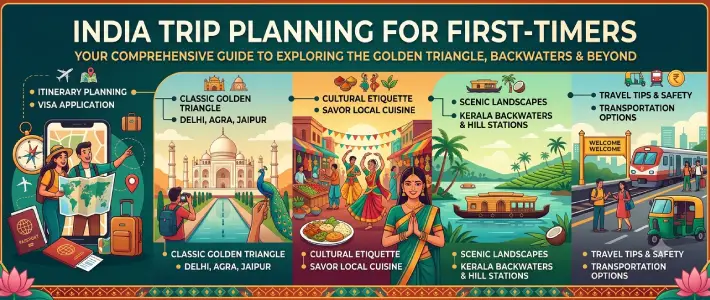
India is such a vast and beautiful country that everyone finds something that passes their interest and there is a need to narrow down the places you want to visit. Some popular travel routes are given below.
a. The Golden Triangle (Delhi, Agra, Jaipur)
This route is perfect for first time travelers and it includes:
Delhi: Explore historical sites of Delhi such as the Red Fort, Humayun’s Tomb and India Gate at Delhi.
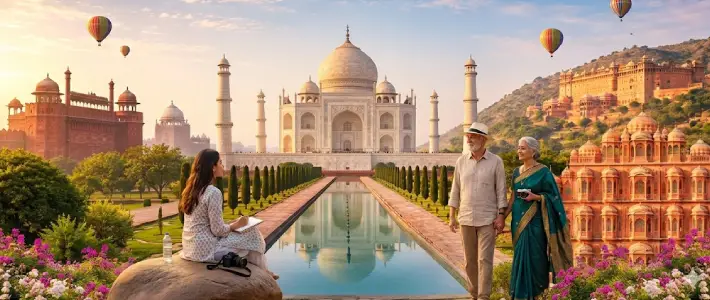
Agra: Taj Mahal (One of the Seven Wonders of the World) – visit in Agra.
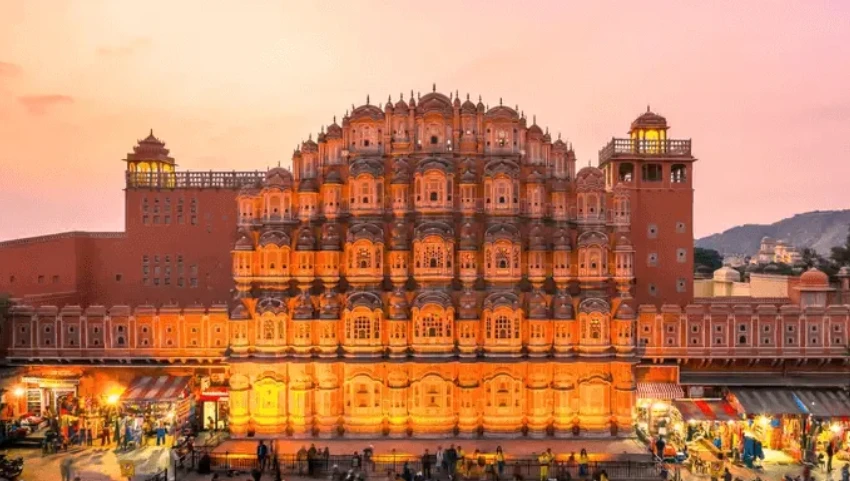
Jaipur: Visit Jaipur, which can be described as a city of royal palaces, forts and colorful bazaars.
b. Rajasthan – The Land of Kings
Rajasthan also is a must visit if you love history and culture.
Jaipur (Pink City) – Amber Fort, City Palace.
Jodhpur (Blue City) – Mehrangarh Fort, Umaid Bhawan Palace.
Udaipur (City of Lakes) – Lake Pichola, City Palace.
Jaisalmer (Golden City) – Desert safari, Jaisalmer Fort.
c. Kerala – God’s Own Country
This would be perfect for nature lovers as well as relaxation.
Alleppey – Houseboat cruises in the backwaters.
Munnar – Tea plantations and cool weather.
Kochi – Colonial charm and cultural performances.
d. Himachal Pradesh & Uttarakhand – The Himalayan Retreat
Ideal for adventure seekers and nature lovers:
Manali & Shimla – Snow Capped mountains and the trekking in Manali & Shimla.
Rishikesh – Yoga capital of the world, Rishikesh and river rafting.
Darjeeling – One of them is Darjeeling- tea gardens and the Toy Train.
e. South India – Temples, Beaches & Heritage
For spirituality, beaches, and ancient temples:
Hampi – UNESCO World Heritage ruins.
Mahabalipuram – Rock-cut temples.
Mysore – Royal palaces and silk markets of Mysore.
Plan Your Travel Budget
The affordability of travel to India depends on the travel experience chosen by visitors since different price ranges apply to each category.
Budget Travelers: Budget Travelers require $20–$40 per day for their expenses which include hostel stays and street food consumption alongside using public transportation.
Mid-Range Travelers: The daily budget for mid-range travelers in India ranges between $50 and $100 to cover three-star accommodation and local transport along with guided tour packages.
Luxury Travelers: Luxury travelers need to spend at least $150 daily when they choose to stay in five-star accommodations and use private tours and enjoy fine dining.
The combination of train/bus travel together with eating at local eateries and advance hotel booking cuts down your expenses.
Acquire necessary travel documents along with your visa
Visa: Entry into India demands most foreign visitors to obtain a visa. All citizens from over 160 nations can access the e-Visa system which proves to be the simplest visa option. Start the visa application process through the website no less than three weeks before your departure date.
Passport: Your passport requires validity beyond your intended departure date by at least six months to obtain entry.
Travel Insurance: Travel insurance becomes necessary to protect you from medical crises and trip dismissal as well as items you lose during your travels.
Book Flights and Accommodation
Flights
Furthermore use book flying tickets to visit any of the cities such as Delhi, Mumbai, Bangalore, or Chennai based on itinerary requirements.
The websites Skyscanner together with Google Flights enable users to identify cost-efficient flight options.
Accommodation
Budget: The cost of hostel accommodations at facilities such as Zostel and Moustache and Backpacker Panda ranges from $5 to $15 per night.
Mid-Range: 3-4 star hotels, guesthouses – $30–$80 per night.
Luxury: Heritage hotels (Taj, Oberoi, ITC) – $100+ per night.
Guests seeking a special experience should consider spending nights at heritage havelis in Rajasthan and houseboats in Kerala.
Understand Transportation Options
Throughout India one can access a wide-ranging transportation system. Make your decision between transportation modes according to your personal preferences together with monetary constraints.
Trains: The best option for extended journeys is the train system since booking your tickets in advance through IRCTC or travel agents brings the best results.
Flights: Travel by domestic flights provides both price affordability and quicker travel for distances beyond the reach of roads.
Buses: Budget-friendly but less comfortable for long journeys.
Taxis & Auto-Rickshaws: You can use Uber and Ola apps through which you will get fair pricing for your taxi or auto-rickshaw needs.
Metro: Available in cities like Delhi, Mumbai, Bangalore for convenient travel.
Pack Smart for Your Trip
Clothing: Your packing protocol should match the temperature conditions with summer attire and cold-weather protection for winter.
Comfortable Footwear: Before entering forts and temples alongside visiting markets visitors need comfortable footwear.
Essential Medications: Carry basic medicines for upset stomach, fever, and motion sickness.
Power Adapter: The power outlets in India employ Type D and M plugs because they operate at 230V.
Backpack or Day Bag: A backpack or day bag serves both day trips while handling everyday necessities.
Being Safe Should Be Your Priority During Your Travel in India
India offers general safety but these following guidelines will enhance security:
Health: Health safety demands drinking water from bottled sources while abstaining from consuming raw street food and keeping hand sanitizer on hand.
Scams: Watch out for untrustworthy people who approach you with bogus offers during your time in India.
Travel Safety: The safest way to travel within India involves using taxis from official companies together with rideshare applications. Staying alone after dark in unknown places should be avoided.
Women Travelers: Women should choose modest clothing when traveling and they should prefer women-oriented vehicle sections on public transport while staying away from underpopulated areas.
Food testing starts with Indian cuisine followed by local dishes
Food gives India one of its leading attractions for travelers. Some must-try dishes include:
North India: Butter Chicken, Chole Bhature, Rogan Josh.
South India: Dosa, Idli, Biryani, Kerala Sadya.
Street Food: Pani Puri, Vada Pav, Samosa, Kachori.
Desserts: Gulab Jamun, Rasgulla, Jalebi.
Eating at restaurants and stalls that serve many customers throughout the day reduces the chances of contracting foodborne diseases.
Experience India’s Unique Culture
Visit Temples & Monuments: The essential sites for exploration include Taj Mahal together with Varanasi Ghats as well as the Golden Temple.
Attend Festivals: Experience Diwali alongside Holi and commemorate Durga Puja as well as participate in Navratri celebrations.
Shop in Local Markets: You should shop at Johari Bazaar in Jaipur as well as Chandni Chowk in Delhi and Colaba Causeway in Mumbai.
Try Yoga & Meditation: The regions of Rishikesh along with Kerala provide excellent opportunities to experience yoga and meditation practices.
Conclusion
The initial daunting nature of planning an Indian vacation can be transformed into a permanent life experience if you take appropriate preparation steps. Source materials cover all fundamental information regarding traveling in India including ideal visit timing and itinerary design accommodations selection transportation knowledge and local culture integration with food.