
About
One of the most vibrant, historically rich and culturally opulent destinations in India, Jaipur or the 'Pink City' of India, is nothing short of intriguing. This city, surrounded by arid landscapes of Rajasthan, is a hot destination for travellers who will be mesmerised by majestic forts, colourful bazaars, traditional cuisine, and artistic heritage. One such tourist spot with a temperature so high that it is known as the Golden City is Jaipur. Despite this, selecting the right time of the year to visit Jaipur can make all the difference.
In this guide, I will tell you the best time to visit Jaipur with a discussion of weather, festivals, sightseeing and local experience season by season. So whether you’re a solo traveller, a couple going for a getaway, or a family planning to spend vacations, this seasonal breakdown will assist you to help you make the most of your Jaipur adventure.
Month-by-Month Breakdown: What to Expect
October:
- Start of the tourist season.
- It is pleasant weather that is perfect for sightseeing.
- The city lights up during the Diwali festivities.
November:
- Comfortable climate.
- The apartment is great for shopping and exploring the heritage streets.
- Tourists will be attracted to the Pushkar Fair (near Jaipur).
December to January:
- Coldest months but perfect for travel.
- It is the Jaipur Literature Festival that draws in global crowds.
- Great time for weddings and royal experiences
February to March:
- Blooming spring-like feel.
- Thankfully, Holi, the festival of colors, is a must to experience.
- Also less crowded than usual for a peak December – January period.
April to June:
- Hot and dry.
- Ideal only for budget travelers or short trips.
- Activities should be restricted indoors and at night.
July to September:
- Rain brings green landscapes.
- Fewer tourists, more local experiences.
- Great photography opportunities post-rain.
How Festivals Influence the Best Time to Visit
Among the biggest charms of Jaipur are its festivals. If you want to understand culture and tradition, trying to see some events while you are there will enhance your trip.
Jaipur Literature Festival (January): Jaipur Literature Festival (January), the world’s largest free literary festival attended by authors, thinkers and literature lovers from around the world.
Teej Festival (August): Celebrating the arrival of monsoon, this festival showcases Jaipur’s royal processions, folk music, and traditional dance.
Gangaur Festival (March-April): A colorful celebration devoted to Goddess Gauri, Gangaur Festival (March-April). The city comes alive with processions, women dress in traditional attire, and all grandchildren and children are given sweets.
Diwali (October-November): The city is illuminated with lights to remember this festive occasion, a magical mystical place that anyone with a fancy for photography and culture should find interesting.
Conclusion
Though October to March are unquestionably the best months to visit Jaipur for idyllic weather and celebration of lively festivities, each season has its peculiar flavor to Jaipur. You’ll want winter if you want cultural immersion and don’t mind crowds. Monsoon is a good pick for budget travel and offbeat beauty. Although summer can be challenging, it can work for their quick visits with well planned itineraries.
Finally, the best time to travel to Jaipur is determined by what you would like to accomplish on your travel:
For romance & photography: November to February.
For festivals & culture: January (Literature Fest), August (Teej), March (Holi).
For budget-friendly trips: June to September.
For royal grandeur & luxury stays: December and January are peak for heritage experiences for those who wish to stay in royal grandeur and luxury hotels.
In Jaipur, you never fail to get charmed, come you any time! Timeless palaces, delightful food, and warm hugs of people, each season redefines the Pink City through a captivating colour of magic.
Summer Season
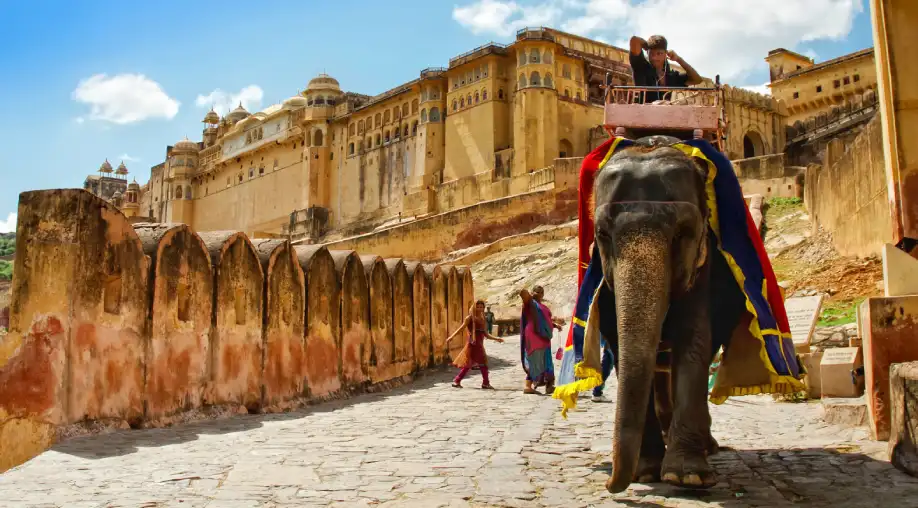
Temperature: 25 °C – 45 °C The summers can get very hot in Jaipur with a temperature between 30°C and 45°C. The daytime heat can be harsh as the air is dry in the desert. Why Visit in Summer? Budget Travel: The least crowded season in Jaipur is Budget Travel. Because of the availability of package deals which vary in amount depending upon the season, it is also an option that is suitable for budget travellers, especially if they book during sale times. Indoor Exploration: Jaipur’s City Palace Museum, Gyan Museum, and especially the Albert Hall Museum, which are amongst the many palaces and places of interest in the city, are air-conditioned and an ideal escape from the midday sun. Night Attractions: Some attractions which can be visited at night include Light and Sound Shows at Amber Fort and night markets since the temperatures do drop slightly and it is substantially cooler after sunset. Drawbacks: Outdoors may be difficult to explore when experiencing Extreme Heat. The risks for unprepared travellers include dehydration and heat stroke. Travel Tip: If you visit in summer, go sightseeing early in the morning or late in the evening and keep yourself hydrated throughout the day. To fight the sun, choose cotton clothing, sunscreen, sunglasses and hats.
Monsoon Season
Temperature: 24 °C – 34 °C The monsoon brings moderate rain to Jaipur. Temperatures hover between 25°C and 35°C. Humidity levels can go high, making it not as hot as in summer, but rain showers appear occasionally. Why Visit in Monsoon? A Green and Fresh Jaipur: Aside from its lush surroundings, the rest of the usually arid landscape of Jaipur bursts to life, with green and fresh trees everywhere. It is particularly scenic to visit forts like Nahargarh and Jaigarh after the rain spell. I provide panoramic views of Aravalli hills blanked with green cloak. Less Crowd: There are fewer tourists in town and that means discounted rates for hotels, lesser queues in attractions and so on. What you’ll experience: Monsoon also brings the most awaited festival of Jaipur – Teej which is celebrated with great fervor. There is a large procession of decorated elephants, folk performances and sweet offerings, and women dress in traditional attire. Drawbacks: However, heavy rainfall is possible on some days, which can disrupt plans. Some outdoor activities, including rides, camel rides and ballooning, may not be functioning because of wet conditions. Travel Tip: Waterproof footwear and enclosed rooms make things easy to explain; it’s better the other way around, really. A new, distinctive and refreshing way to see Jaipur is through the monsoon if you do not mind unpredictable weather.
Winter Season
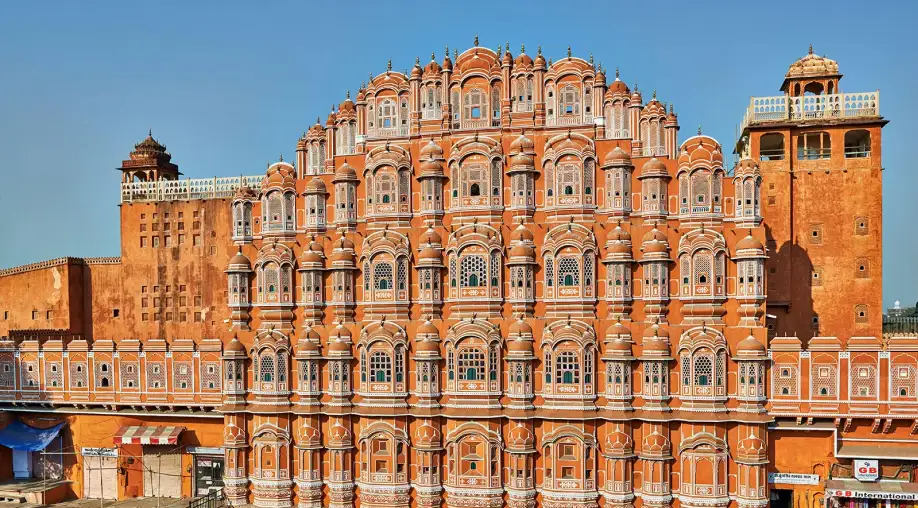
Temperature: 8 °C – 27 °C Jaipur and lots of other cities in the north, including for instance, Delhi, Agra and Varanasi, are definitely best to visit during the period of winter. The temperatures are between 8 degree Celsius and 25 degree Celsius, which perfectly suit sightseeing and outdoor activity. The nights are cool at times in December and January, but the days are pleasant. Why Visit in Winter? Perfect Sightseeing Weather: You won’t be soaked in sweat or burdened by the desert heat when you visit places like Amber Fort, City Palace, Hawa Mahal, or Jantar Mantar because the chilly breeze and sunshine make for ideal sightseeing weather. Desert Activities: Or, Winter is perfect for desert activities such as camel safaris, hot air balloon tours and cultural parties by the resorts on the outskirts of the city. Festive Vibes: Winter has a vibe of festivals and festive vibe. Pink City is lit up by golden hues in October due to Diwali. Major draws for all cultural enthusiasts and global travellers include the Kite Festival in January and the Jaipur Literature Festival (usually held in January). Wedding Season: Jaipur is a destination for the wedding season in winter, and you may get a chance to see a lavish Indian wedding procession. Travel Tip: It is peak tourist season here, thus it’s advised to book hotels and activities in advance. The experience is 1000% worth the prices, which are quite high.
Explore Tour Packages Jaipur
Explore Jaipur tour packages
Ecotourism
(105 Reviews)
15 Days Rajasthan Tour Package
Delhi – Mandawa – Khimsar – Os...
Starts From $ On Request
Ecotourism
(105 Reviews)
Majestic Forts & Wildlife Tour of Rajasthan
Jaipur – Chittorgarh – Rantham...
Starts From $ On Request
Frequently Asked
Answers to Common Queries About Our Services and Policies
