
The Indian Pink City name belongs to Jaipur, which acts as Rajasthan's entrance to its royal luxury and cultural wealth.
Jaipur offers tourists a balanced mix of historical sites, cultural displays, and artistic attractions, combined with shopping opportunities in colourful markets and fast-paced town life.
Top Things To Do in Jaipur
Users planning a trip to this historical city will find a well-planned guide to experience all of Jaipur's major landmarks and secret attractions.
1. Explore the Majestic Amber Fort
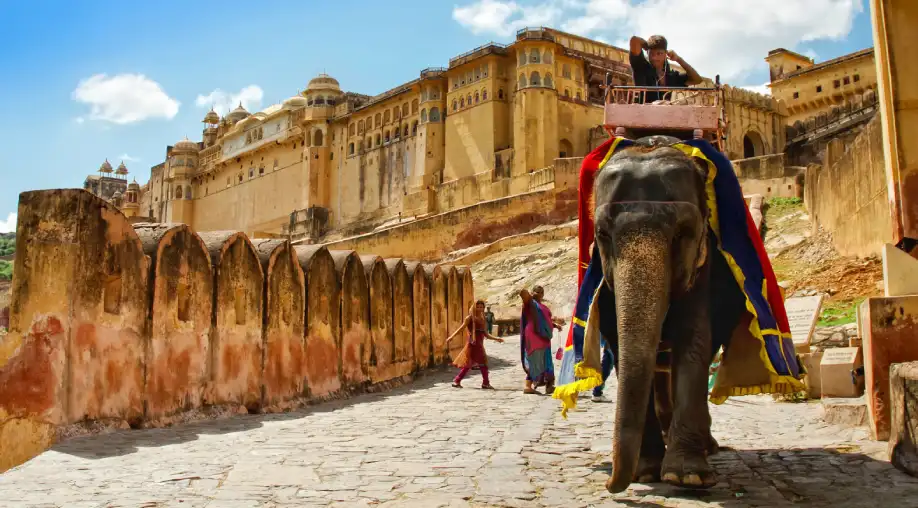
Jaipur has its most recognisable site in the form of Amber Fort (Amer Fort). The 16th-century hilltop fortress was constructed by Raja Man Singh I.
The royal structure adopts Hindu and Mughal elements to create its outstanding design, which includes majestic walls, twisted stairs, enclosed courtyards and decorative royal residences.
The architectural grandeur of Amber Fort can be enjoyed through two crucial attractions: Sheesh Mahal, which features thousands of reflective tiles, and Diwan-i-Am, which showcases massive halls for public gatherings.
The initial approach to Amer Fort usually begins with either an engaging elephant ride or an adventurous jeep ride. An evening light-and-sound program at Jaipur tells stories about the royal history of the city.
2. Visit the Iconic Hawa Mahal
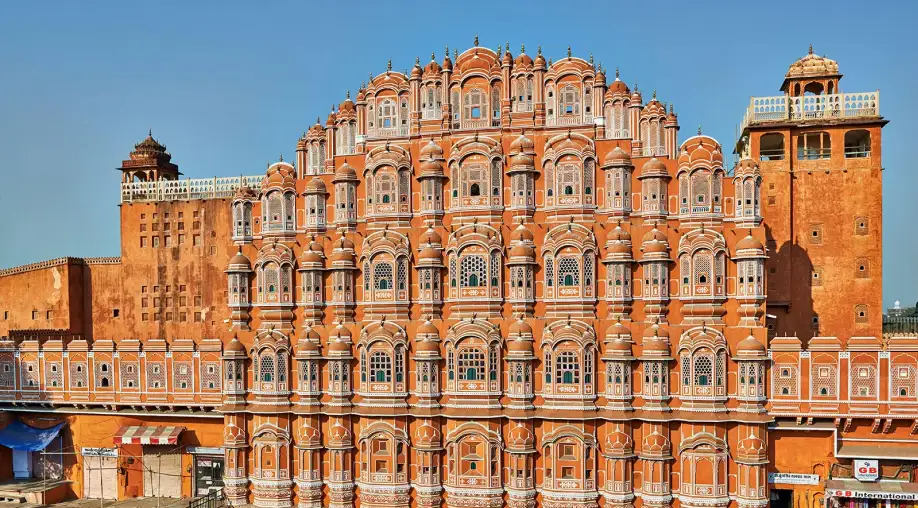
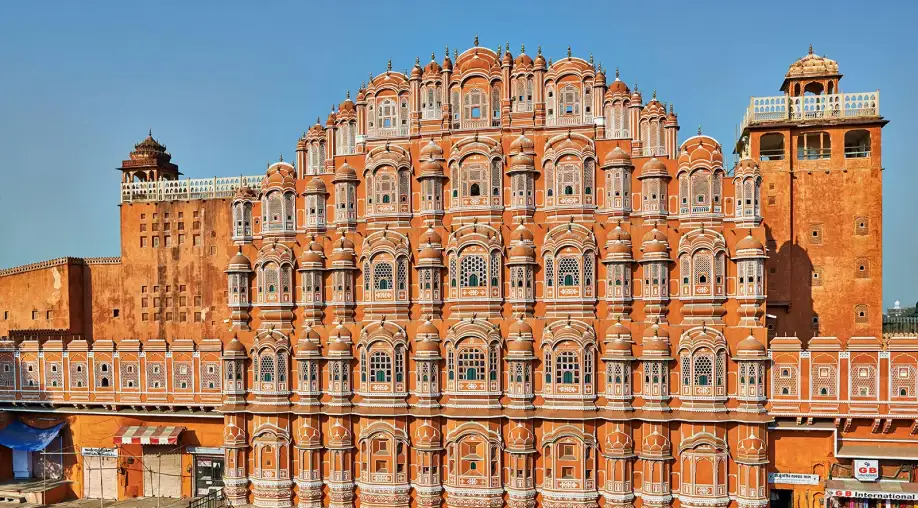
The Hawa Mahal (Palace of Winds) serves as Jaipur’s signature landmark, which stands in the city’s downtown area.
The royal architect Maharaja Sawai Pratap Singh constructed this building in 1799 to provide royal women with a window view without revealing themselves during street festivities.
People normally admire the exterior, but the real experience can be found when entering its walls.
You can reach elevated points by using narrow staircases, which offer magnificent city panoramas that become spectacular during sunrises when the structure shows golden radiance.
3. Stroll Through the City Palace Complex
Every section at the City Palace integrates Mughal and Rajput architecture into structures that serve as main residences for Jaipur's royal family.
The architectural blend of Mughal and Rajput styles can be observed through both Chandra Mahal and Mubarak Mahal.
Several royal collections are on display through museums located inside the palace.
All the gates at Pritam Niwas Chowk are decorated elaborately to symbolise different seasons while honouring Hindu deities.
Parts of the Chandra Mahal section serve as royal family living quarters, although palace tours conduct visitors to certain rooms that showcase opulence.
4. Marvel at the Jantar Mantar Observatory
The Jantar Mantar observation site stands near the City Palace, as Maharaja Sawai Jai Singh II built it during the early 18th century.
The Samrat Yantra makes up the world’s biggest stone sundial, and this astronomical observatory maintains a UNESCO World Heritage designation.
These astronomical instruments operate with extremely precise functions, which is still impressive for current times.
Through expert guidance, you can grasp how these giant structures were formerly employed to foretell eclipses, gauge time and observe heavenly bodies throughout previous centuries.
5. Enjoy a Traditional Rajasthani Dinner at Chokhi Dhani
Experience authentic Rajasthani culture at Chokhi Dhani, which creates an ethnic resort village atmosphere near Jaipur’s outskirts.
The facility at Chokhi Dhani serves authentic Rajasthani unlimited thali menus, containing classic dishes such as Dal Baati Churma, Gatte ki Sabzi, and Laal Maas.
During your dining experience at Chokhi Dhani, you can enjoy both cultural shows such as folk dances, puppet shows, camel rides, magic shows and traditional games.
This evening presents an excellent chance to experience the vibrant heritage rituals of Rajasthan.
6. Basks offer an excellent opportunity to obtain handicrafts and jewellery items inside their retail areas
Jaipur serves as a perfect shopping destination through its busy commercial centres that showcase vibrant displays of handicrafts and textiles along with traditional collectables.
Here are some must-visit markets:
- Johari Bazaar: Best for traditional jewellery, especially Kundan and Meenakari work.
- Bapu Bazaar: The shopping district of Bapu Bazaar offers a perfect selection of leather items and Jaipuri quilts and textiles.
- Tripolia Bazaar: Known for bangles and brassware.
- MI Road: For more modern souvenirs and carpets.
Prior to delving into the vibrant market swarm, remember to develop your bargaining techniques since negotiations dominate this environment.
7. The Water Palace is one of the essential destinations in this itinerary.
The mesmerising Jal Mahal existed as a water palace that rests selflessly on the calm surface of Man Sagar Lake.
The hunting lodge built by Maharajas for their leisure features exceptional Mughal-Rajput design principles throughout its construction.
Although you cannot enter the palace grounds, there is a remarkable sense of magic that emerges from your viewpoint by the lake during sunset.
Be sure to walk the lakeshore promenade while sampling street food that vendors in the area are selling.
8. Admire the Art at Albert Hall Museum
Among all museums in Rajasthan, the Albert Hall Museum within Ram Niwas Garden holds the distinction of being the oldest establishment.
Several priceless art pieces are displayed at the museum, which incorporates Indo-Saracenic structures, including paintings alongside rugs and ivory items and stone artworks with metal sculptures and crystal collections.
The Egyptian mummy stands alongside exquisite miniature artwork collections coming from various parts of India at this site.
The illumination of the Albert Hall Museum during night hours creates an enchanting atmosphere for visitors.
9. Travel to Gaitore to see the extravagant Royal Cenotaphs
Gaitore represents the royal cremation site for Kachhwaha Rajput kings, which is located several kilometres from the city centre.
Chhatris, composed of marble and sandstone, display the perfect blend of Mughal and Rajasthani architectural styles throughout the Royal Cenotaphs at Gaitore.
Gaitore provides visitors with a peaceful time by offering serene carvings while serving as a better experience than crowded Jaipur for photographers.
10. A hot air balloon tour enables you to explore the skies above Jaipur
The aerial viewpoint of Jaipur can be discovered through thrilling hot air balloon tours.
Moderate-altitude balloon flights depart from around Amber Fort, which provides tourists the chance to see palaces, forts, and rural landscapes along with town activity below.
The first flights of the day are the most wanted option because they present glorious sunrise views together with irreplaceable travel memories.
Best Time to Visit Jaipur
When visiting Jaipur, you should plan your trip for the period between October and March since this is the optimal time for exploration.
Monsoon delivers a comfortable climate, which makes Jaipur suitable for touring activities alongside cultural events together with shopping. The warm summers of April through June bring excessive heat, and the monsoon period from July through September provides relief because of occasional rainfall, which could interfere with travel arrangements.
Travel Tips for Jaipur
Dress Modestly: Visitors should wear modest clothing, particularly at religious worship locations.
Stay Hydrated: Drinking water frequently becomes essential because the dry desert conditions lead to rapid water loss from the body.
Local Transport: The local transportation systems in Jaipur consist of auto-rickshaws combined with cabs and cycle-rickshaws. For one-day tours use scheduled taxi services because they provide the best convenience.
Cash and Digital Payments: The majority of locations accept digital payments, yet smaller eateries require cash, so pack digital and cash funds when visiting Jaipur.
Cultural Respect: The practice of photography remains allowed in most sites, but visitors should obtain permission before photographing religious establishments and people in their local communities.
Conclusion
The city of Jaipur exists as a dynamic artwork that displays royal colours through its tapestry of cultural elements, historical significance, and artistic displays. From visiting historic forts to shopping for traditional handicrafts and experiencing spicy Rajasthani cuisine and walking in Jaipur, it reveals its eternal regal essence at every step.
Explore Tour Packages Jaipur
Explore Jaipur tour packages
Ecotourism
(105 Reviews)
15 Days Rajasthan Tour Package
Delhi – Mandawa – Khimsar – Os...
Starts From $ On Request
Ecotourism
(105 Reviews)
Majestic Forts & Wildlife Tour of Rajasthan
Jaipur – Chittorgarh – Rantham...
